
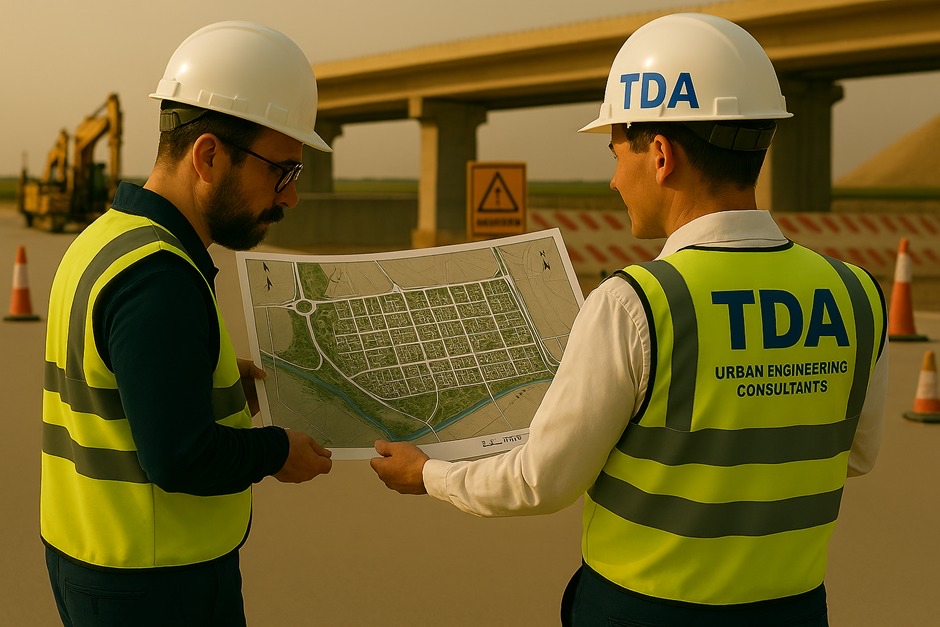
Infrastructure projects are complex undertakings that require strategic thinking, technical expertise, and coordinated execution. From the earliest feasibility assessments to final construction and implementation, each phase plays a critical role in ensuring successful outcomes. Adopting best practices throughout the project lifecycle not only minimizes risks and delays but also maximizes long-term value and sustainability.
Starting with Comprehensive Feasibility Studies
Every successful infrastructure project begins with a thorough feasibility study. This phase evaluates the technical, financial, environmental, and regulatory viability of a proposed development. Key considerations include site conditions, market demand, cost projections, risk assessments, and compliance with local regulations.
A well-executed feasibility study provides decision-makers with reliable data and realistic projections. It identifies potential constraints early—such as environmental limitations, right-of-way challenges, or utility conflicts—allowing teams to adjust strategies before significant resources are committed. Clear feasibility findings lay the groundwork for informed planning and confident investment.
Strategic Master Planning and Concept Development
Once viability is established, master planning translates analysis into a structured development framework. This phase defines land use allocation, infrastructure layouts, phasing strategies, and long-term growth considerations. Effective master planning balances functionality, sustainability, and economic efficiency.
Best practices during this stage include stakeholder collaboration, integration of transportation and utility networks, and alignment with community development goals. Planning for scalability and adaptability ensures that infrastructure systems can accommodate future expansion and technological advancements.
Detailed Engineering Design and Coordination
The transition from planning to execution requires precise and coordinated engineering design. Detailed drawings, technical specifications, and cost estimates must reflect both the project vision and real-world constraints. Accuracy at this stage is essential to prevent costly changes during construction.
Modern design tools and modeling technologies enhance coordination among disciplines, reducing conflicts between structural, civil, and utility components. Incorporating value engineering principles can further optimize materials, methods, and costs without compromising quality or safety.
Risk Management and Regulatory Compliance
Infrastructure planning must proactively address risks related to environmental impact, safety, procurement, and construction timelines. Conducting environmental impact assessments, securing permits, and maintaining compliance with applicable standards are crucial steps before execution begins.
Effective risk management involves contingency planning, transparent communication, and continuous monitoring. Identifying potential challenges early—such as weather-related disruptions or supply chain constraints—helps maintain project momentum and protect budgets.