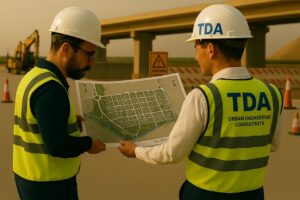
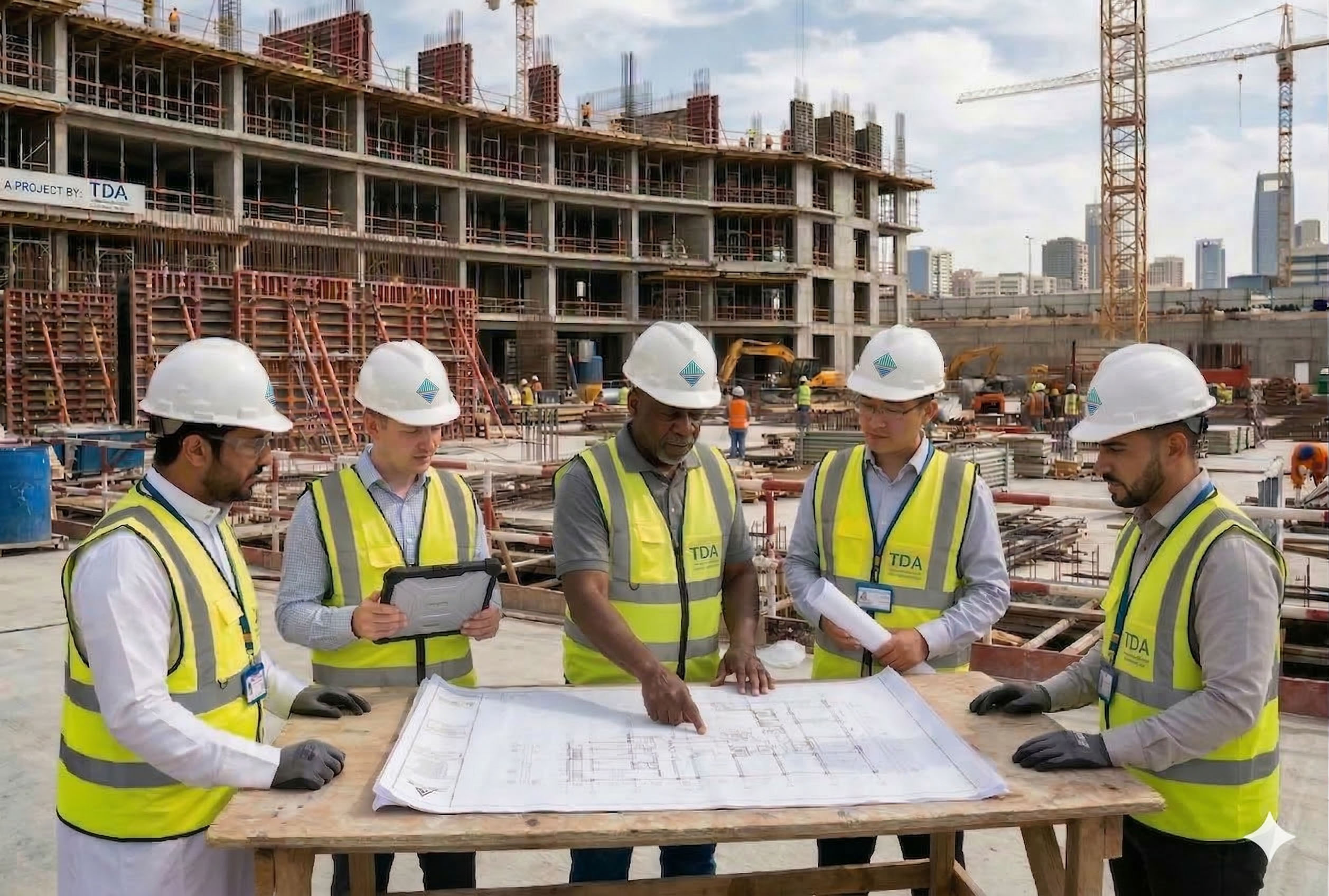
Modern road and utility systems form the backbone of thriving communities and sustainable development. As urban areas expand and infrastructure demands grow more complex, careful planning and detailed engineering design are essential to ensure safety, efficiency, and long-term performance. Successful projects require a holistic approach that integrates technical precision, environmental responsibility, and future-ready solutions.
One of the primary considerations in road design is functionality. Roads must accommodate current traffic volumes while anticipating future growth. This involves comprehensive traffic studies, proper geometric design, intersection planning, and the incorporation of pedestrian and cyclist pathways. Accessibility, safety features, and compliance with national and local standards are critical in reducing congestion and minimizing accident risks.
Equally important is the integration of utility systems within the roadway network. Water supply, drainage, sewer systems, electrical lines, and telecommunications infrastructure must be carefully coordinated to avoid conflicts and ensure efficient maintenance access. Early-stage utility mapping and clash detection during the design phase can significantly reduce costly revisions and construction delays.
Stormwater management is another essential factor in modern infrastructure planning. With increasing climate variability, roads and utilities must be designed to withstand heavy rainfall and flooding events. Proper grading, drainage design, retention systems, and sustainable solutions such as permeable pavements or green infrastructure can help manage runoff while protecting surrounding communities and ecosystems.